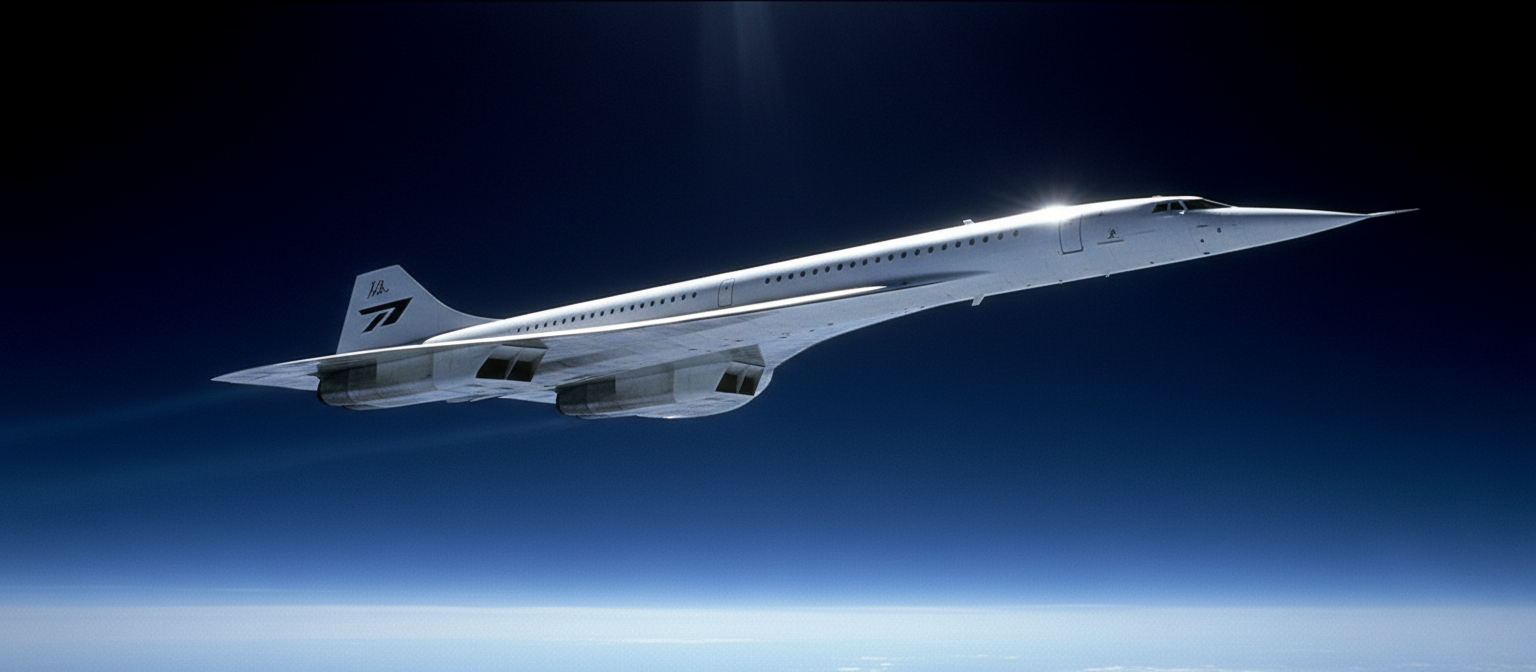
The Sonic Legacy Archive
THE PINNACLE
OF HUMAN FLIGHT
A digital monument to every Concorde ever built — from prototype 001 to the final airframe 216. Discover their records, find where they rest today, and visit them all.
THE HISTORY OF CONCORDE
1962 — 2003 · A Supersonic Era
An Anglo-French Dream
Born of a 1962 treaty between Britain and France, Concorde united BAC and Aérospatiale in one of history's boldest engineering gambles: a delta-winged airliner to carry passengers faster than a rifle bullet. Prototype 001 first flew from Toulouse on 2 March 1969, with 002 following from Filton weeks later.
Breaking the Barrier
Through years of testing, Concorde pushed past Mach 2 — twice the speed of sound — cruising at 60,000 feet where the sky turns black and the curvature of the Earth becomes visible. On 21 January 1976, British Airways and Air France began simultaneous commercial service, and the supersonic age finally carried fare-paying passengers.
The Golden Age of Speed
For a quarter of a century, Concorde crossed the Atlantic in under three and a half hours — New York to London before the clock had moved. It became the ultimate symbol of luxury and ambition, the only way to arrive before you left. Only twenty airframes were ever built; this archive honours every one.
The Long Descent
The tragedy of Flight 4590 in July 2000, falling passenger numbers and rising costs brought the era to a close. On 26 November 2003, G-BOAF made the final flight, returning home to Filton. Today these magnificent machines rest in museums across the world — and this is your guide to visiting them all.
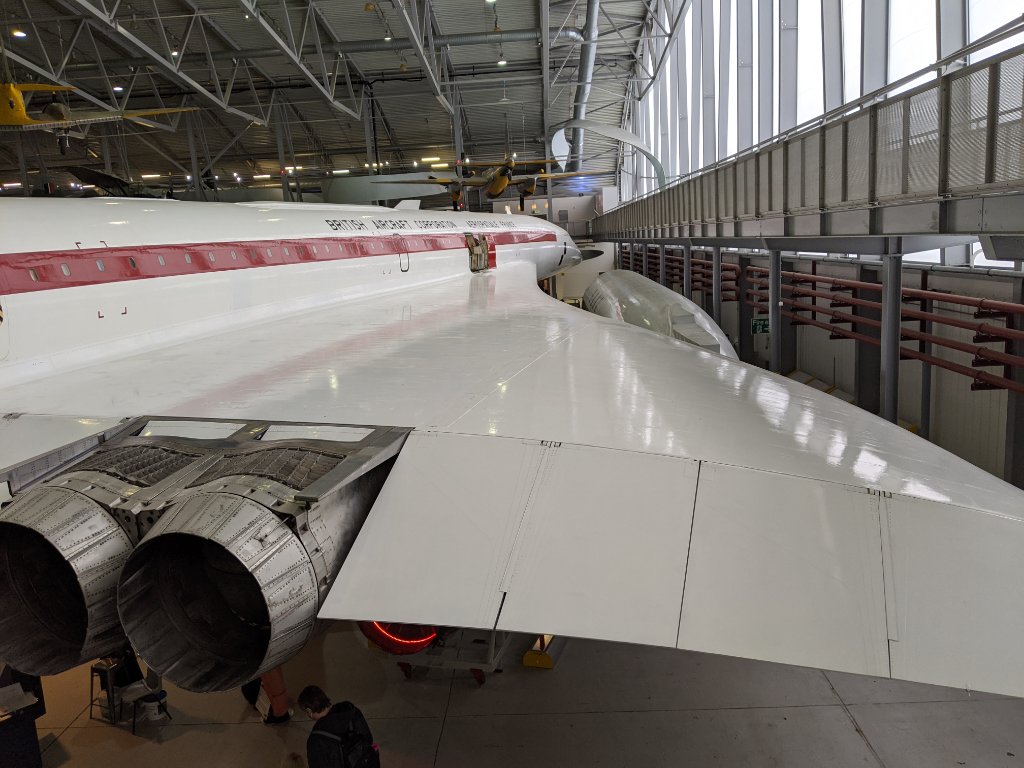
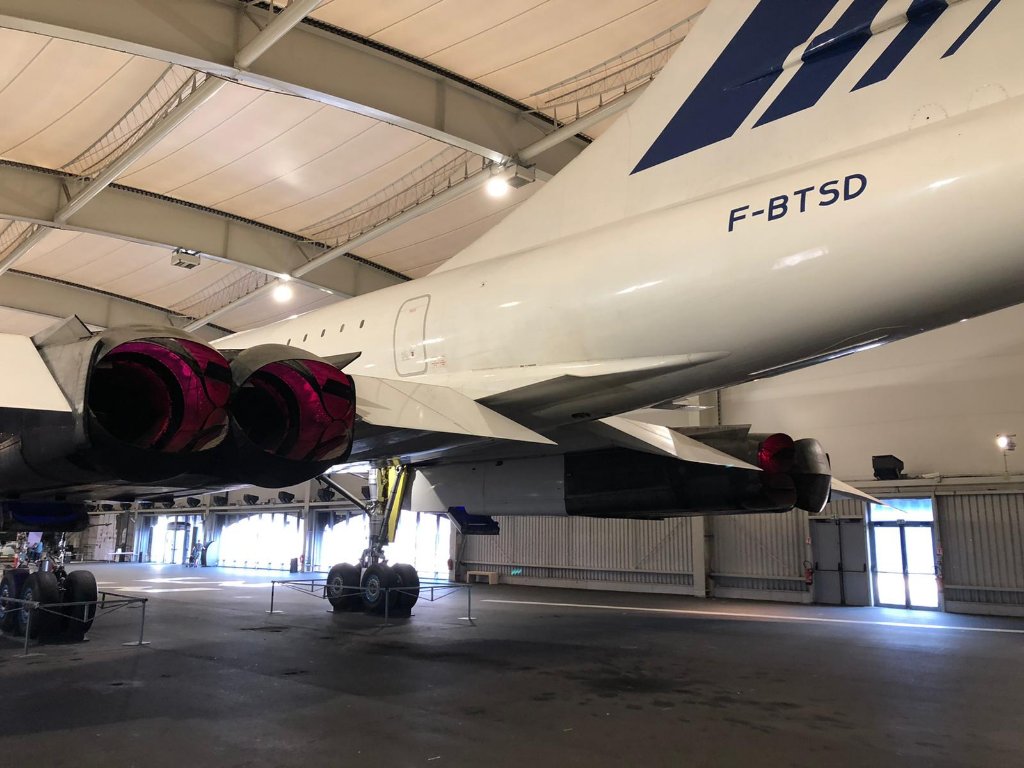
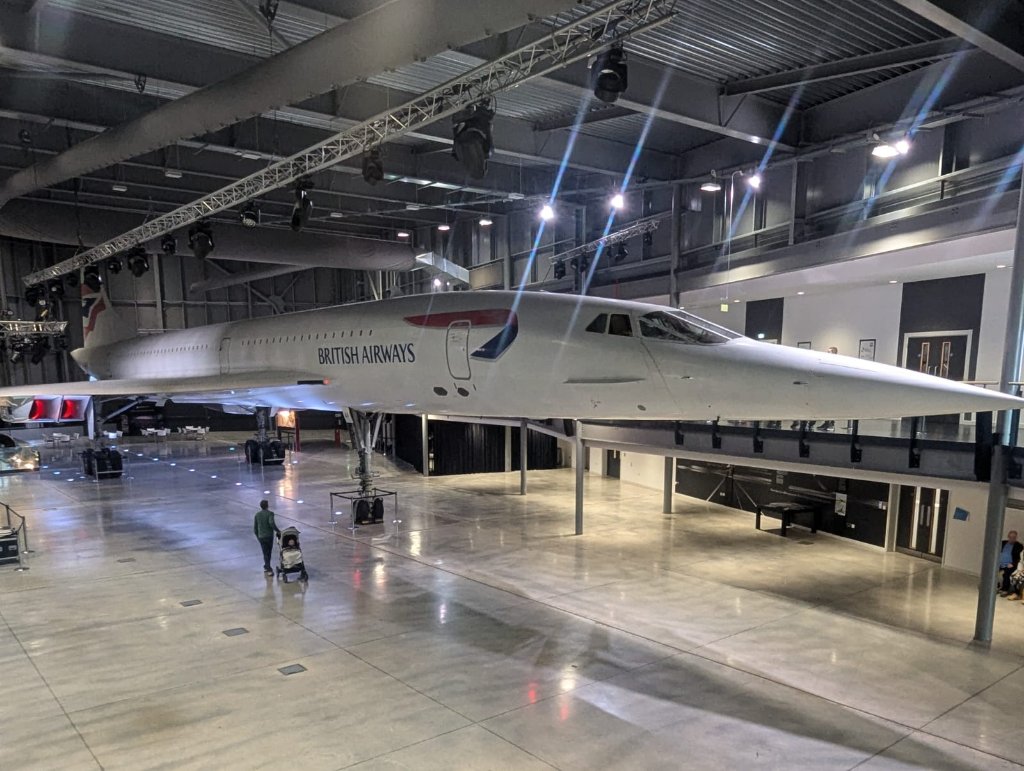
Sponsored Briefs — Our Partners
Aerospace Bristol
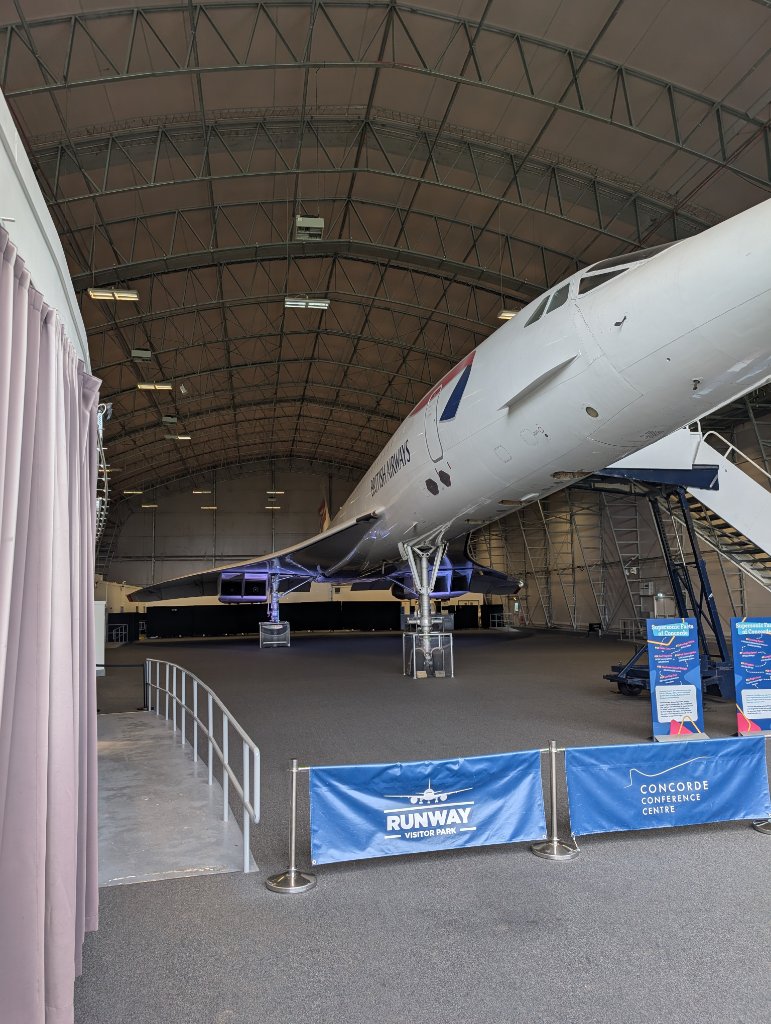
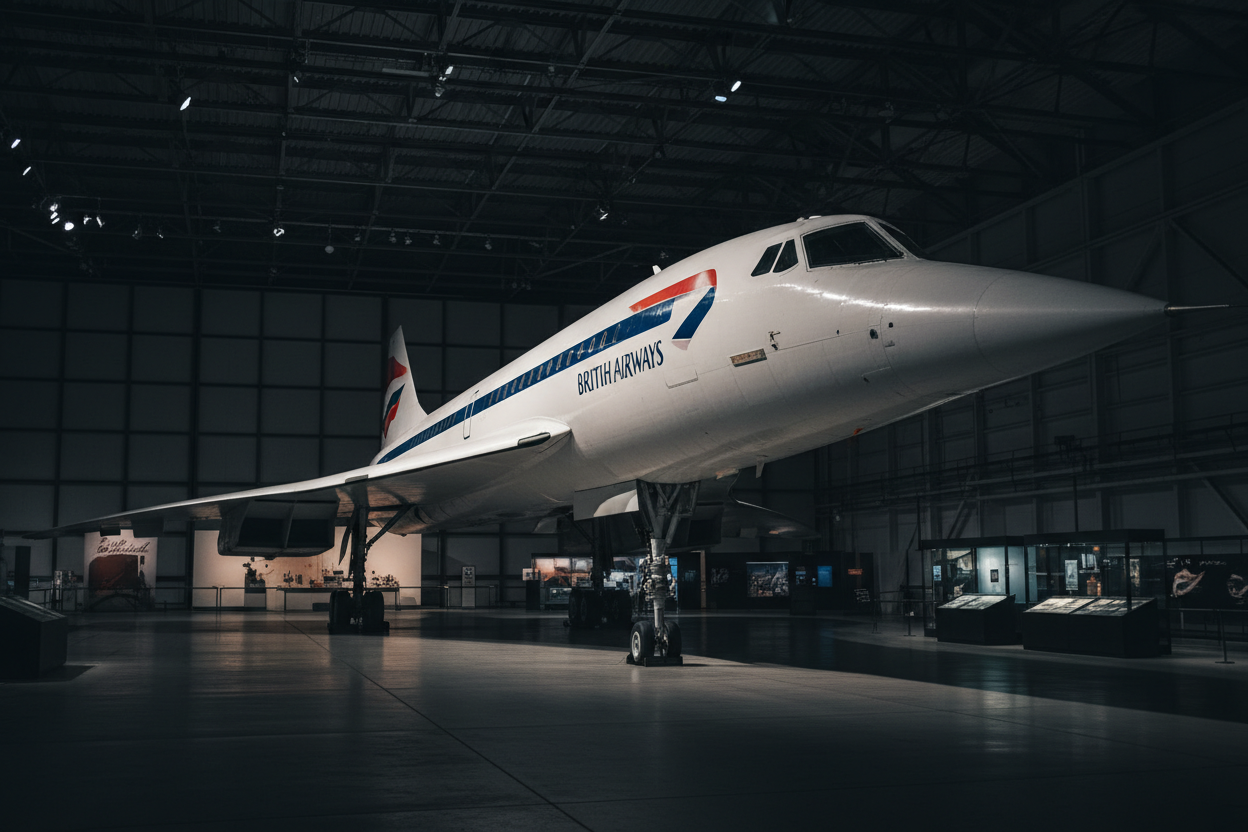
See G-BOAF — the last Concorde ever built — in her purpose-built hangar at Filton.
Filton, Bristol, UK
Intrepid Sea, Air & Space Museum
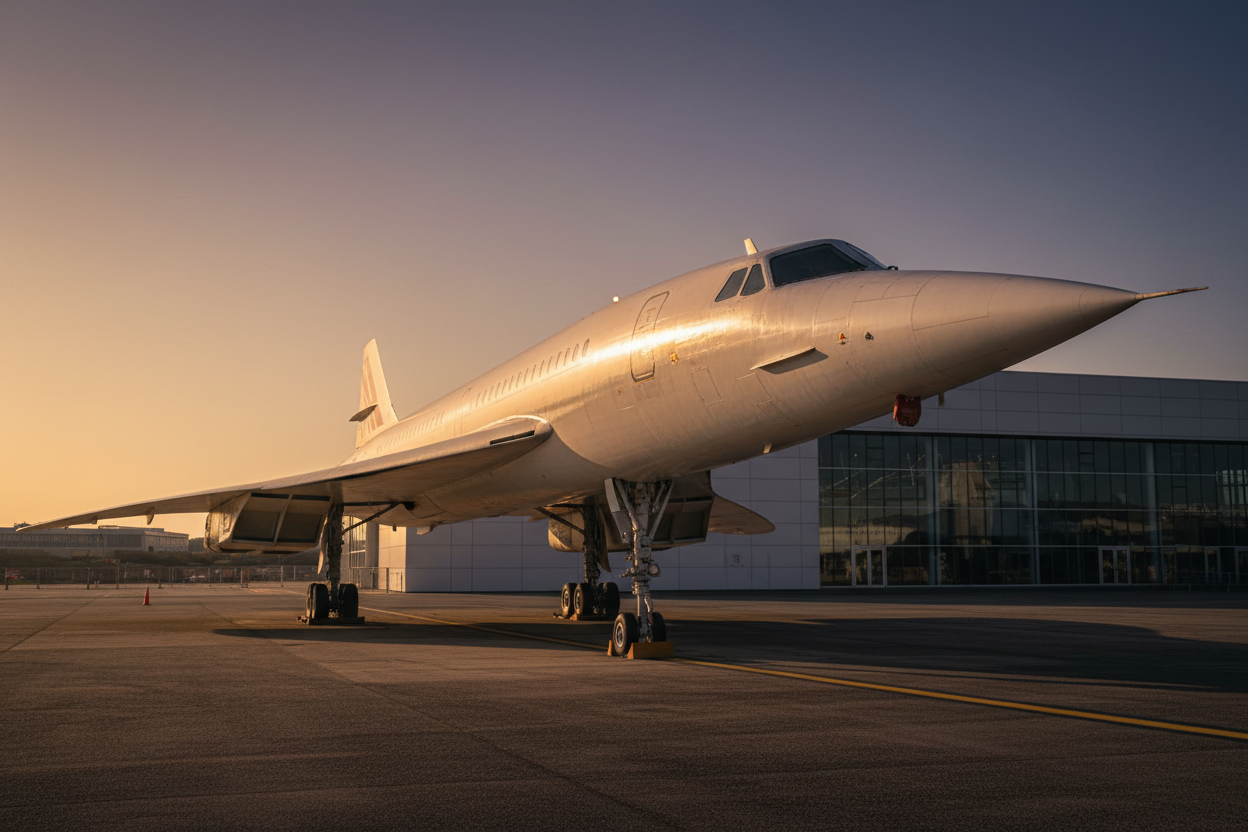
G-BOAD — the record holder — waits for you on the Hudson River, New York City.
New York City, USA
Technik Museum Sinsheim
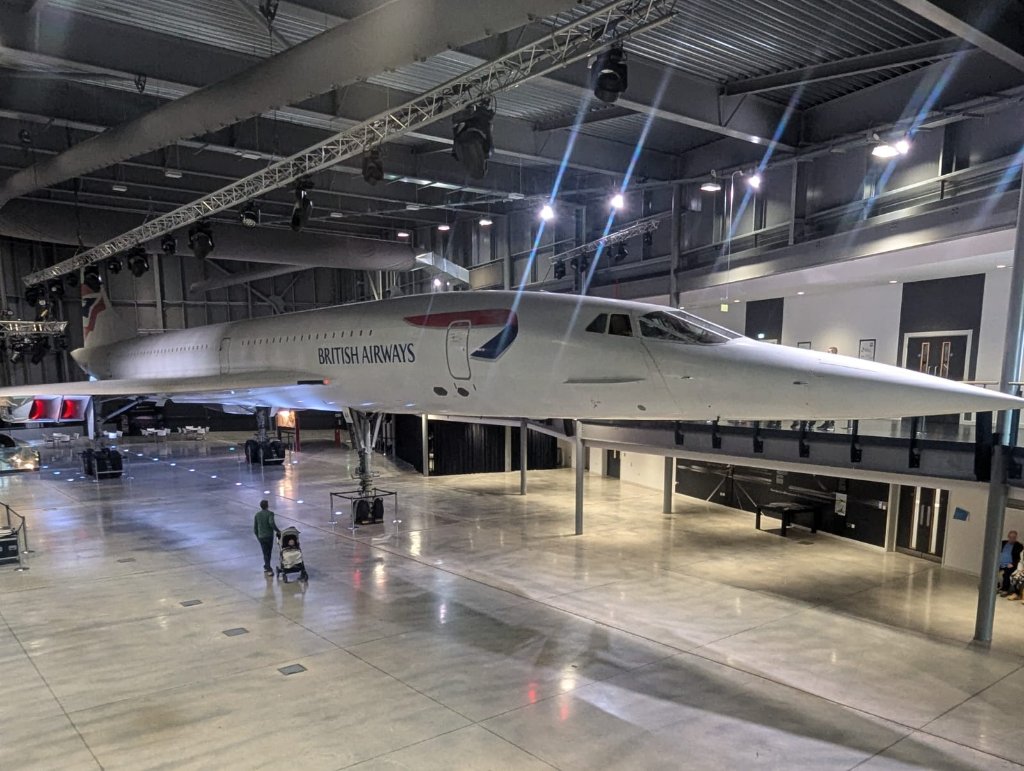
The only Concorde displayed elevated in flying attitude — beside the Soviet Tu-144.
Sinsheim, Germany